Our blog focuses on different aspects of Madame X, written by Gioia Diliberto. We talk about the characters in the story along with describing society during the 19th century.

Monday, January 16, 2017

Gender Roles in 19th Century France

1:50 PM Posted by Unknown No comments
During the 19th century, traditional gender roles were still very much in place in society. In the beginning of the novel, Diliberto wrote, "Julie...had no desire to marry, the chief point of a Creole woman's existence (9)." In this society, women's main focus in life was to get married and raise a family. There were two separate spheres in society. The men were in the public sphere while women were in the domestic sphere of raising a family and caring for the home. A woman's reputation meant a lot in this society and she was expected to remain "virtuous" and "pure" before marriage. Not doing so would give the woman a bad reputation whereas men were allowed to get away with it and his reputation would not be ruined. However, in the society in which Madame X takes place, we can see a shift in the traditional gender roles throughout the novel. 


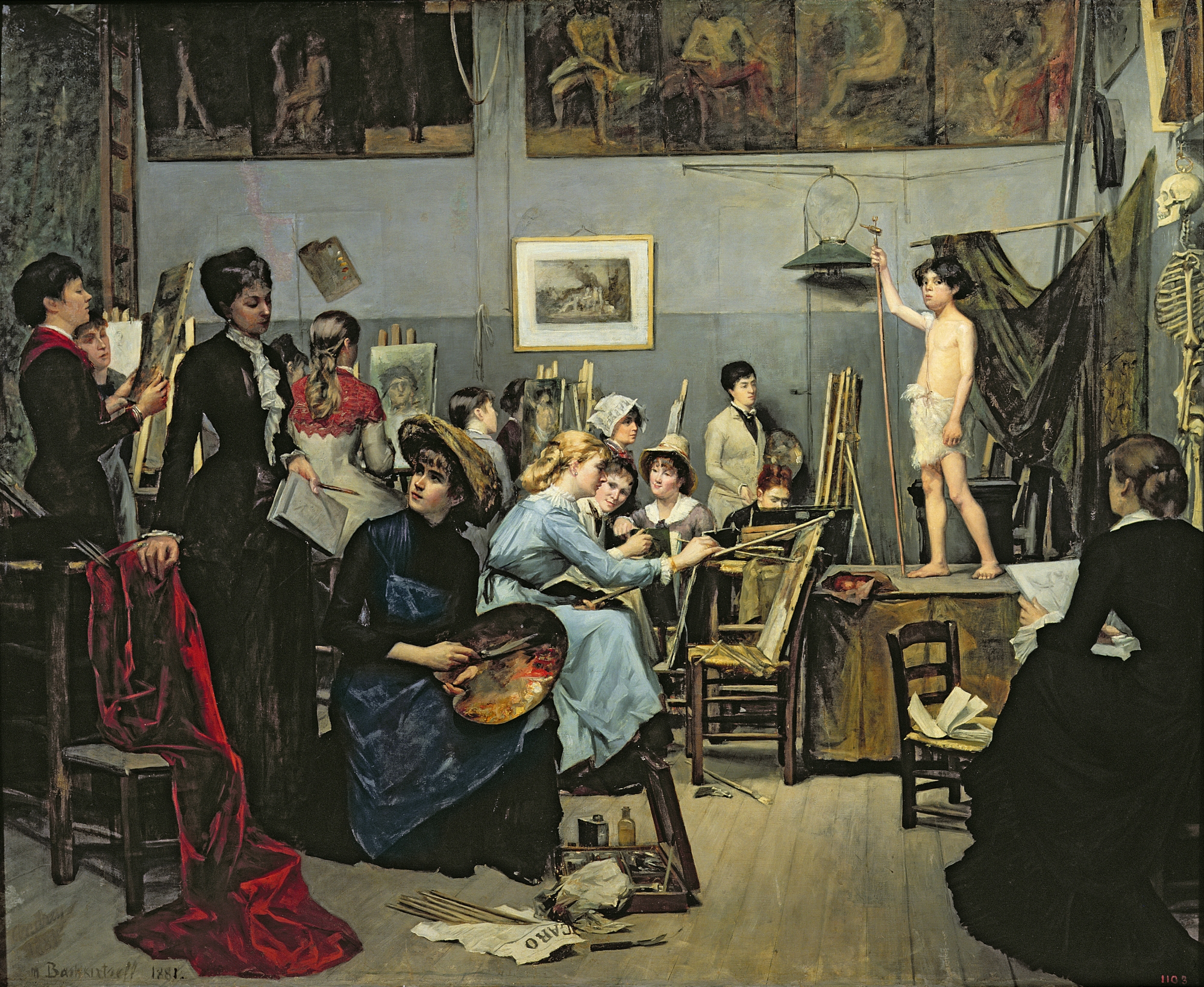
In Madame X, girls were allowed to get an education in school. Virginie was enrolled in school from a young age and was able to receive an education. Job opportunities allowed women to gain more influence in society outside of the home. In the novel, women worked as teachers, painters, and reporters. Fictional women artists such as Julie, Sophie, and Filomena gained recognition for their paintings. Etincelle was a very famous female reporter in Paris during this time period who had a lot of influence in society. She wrote an article in the newspaper Le Figaro, about Virginie which led to Virginie's sudden fame (Diliberto 83). Diliberto wrote, "Etincelle annointed me the Parisian beauty, and suddenly everyone wanted to meet me (Diliberto 84)." This shows that in 19th century Paris, the separate spheres of men and women in society are beginning to merge. 


0 comments:

Post a Comment